Key Takeaways
- Moving out of a rental property is stressful enough without worrying about whether your clean will pass inspection.
- Whether you're tackling the clean yourself or hiring a professional, this room-by-room checklist covers everything that gets checked at a standard checkout inspection.
- This is your guide to the standard expected.
- If the inventory said the property was professionally cleaned at the start of your tenancy, you need to match that standard.
Moving out of a rental property is stressful enough without worrying about whether your clean will pass inspection. Inventory clerks working with letting agents across Harrow, Watford, Wembley, and th
Moving out of a rental property is stressful enough without worrying about whether your clean will pass inspection. Inventory clerks working with letting agents across Harrow, Watford, Wembley, and the wider North West London area are thorough - they check inside ovens, behind radiators, inside cupboards, and under kitchen appliances. A quick wipe-down of surfaces simply won't cut it.
Whether you're tackling the clean yourself or hiring a professional, this room-by-room checklist covers everything that gets checked at a standard checkout inspection.
What should you do before you start cleaning?
There are a few things to do before you begin the actual clean. First, remove all personal belongings from the property - cleaning around furniture and boxes slows everything down and means surfaces get missed. Second, defrost the freezer at least 24 hours before the clean so the ice has time to melt and the interior can be properly cleaned. Third, dig out your original inventory report. This is your guide to the standard expected. If the inventory said the property was professionally cleaned at the start of your tenancy, you need to match that standard.
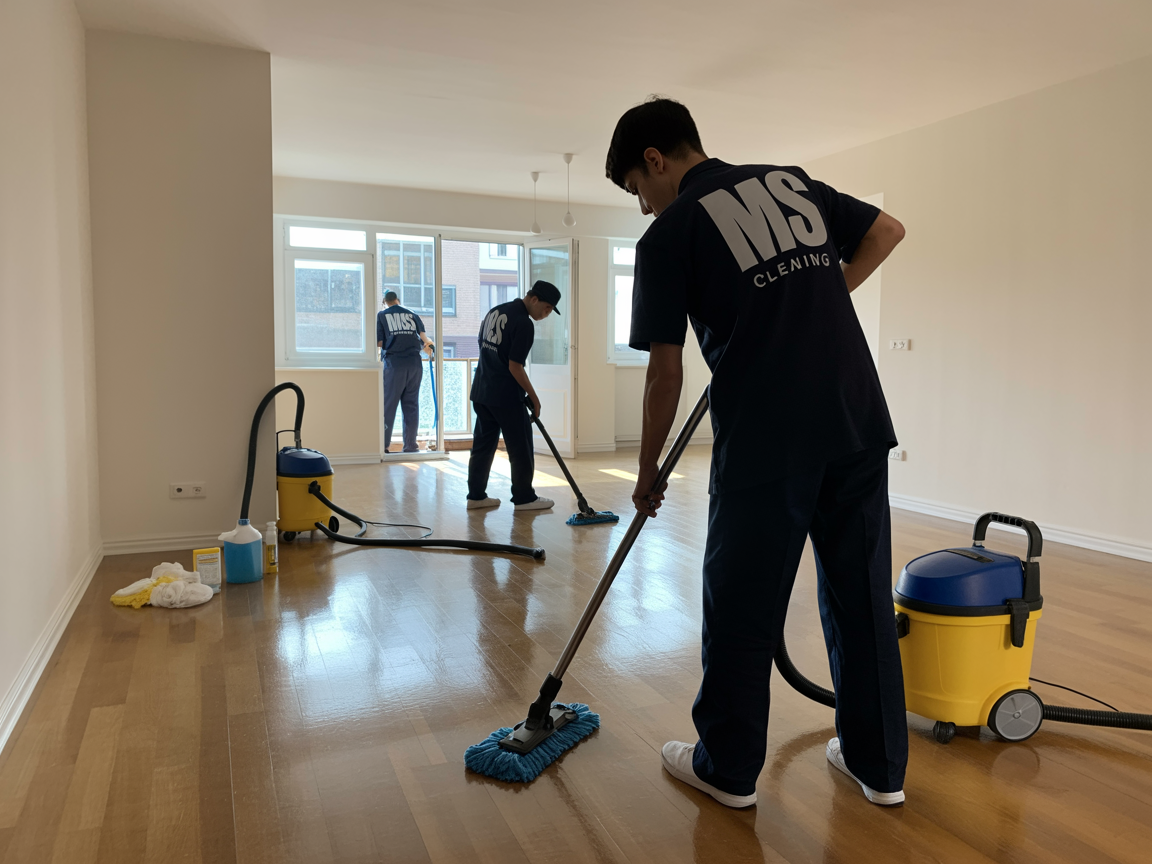
What does the kitchen cleaning checklist include?
The kitchen receives the most scrutiny at checkout because it's where the most visible grime builds up.
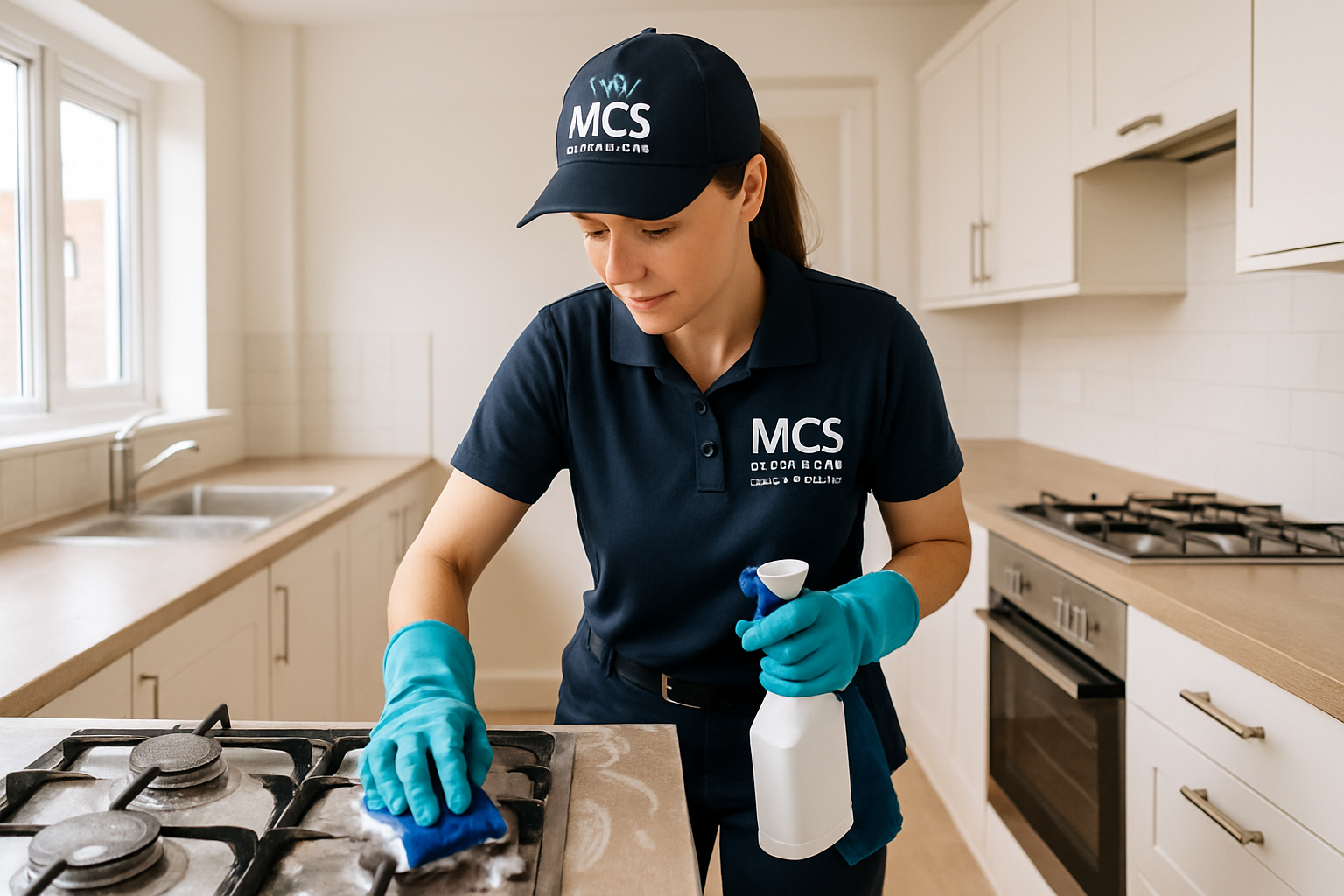
Oven: Clean inside and out, including the glass door, racks, grill pan, and grill element. This is the single most commonly failed item at inspection. If there's baked-on grease, you'll need specialist oven cleaner or a professional oven clean.
Hob and extractor: Remove all grease from the hob surface, burner caps, and knobs. Clean the extractor fan and remove and degrease the filters. These are frequently missed and almost always checked.
Fridge and freezer: Clean inside shelves, drawers, door seals, and the exterior. The rubber door seal collects mould and grime that's easily spotted by an inspector. Make sure the freezer is fully defrosted and dried.
Dishwasher and washing machine: Clean the inside drum, detergent drawer, rubber door seal (washing machines collect black mould here), and filters. Wipe down the exterior.
Microwave: Clean inside and out, including the turntable.
Cupboards and drawers: Wipe inside and outside every cupboard and drawer. Remove any shelf liners. Crumbs and sticky residue inside cupboards are a common deduction item.
Worktops and splashbacks: Clean all worktop surfaces and the splashback tiles. Remove any grease spots or stains.
Sink and taps: Descale the taps and clean the sink basin. Remove limescale and any discolouration. Polish chrome fittings.
Bins: Empty all bins, clean inside with disinfectant, and replace bin bags if needed.
Floor: Sweep and mop the entire floor, including under and behind the fridge, cooker, and washing machine. Pull appliances out if possible - inspectors will check.
What does the bathroom cleaning checklist include?
Bathrooms require descaling and sanitisation. Limescale is the main enemy here.
Bath and shower: Clean the bath surface, shower tray, shower screen (inside and out), and all tiles. Remove limescale from the shower head, taps, and any chrome fittings. Scrub grout lines - discoloured grout is a common fail point.
Toilet: Clean inside the bowl, under the rim, the seat (top and bottom), the base, and behind the toilet. Don't forget the flush handle. Limescale rings inside the bowl need descaler, not just bleach.
Sink and taps: Descale taps and plug hole. Clean the basin and any surrounding surfaces. Polish chrome.
Mirrors and glass: Clean all mirrors streak-free.
Inside cabinets: Empty and wipe inside any bathroom cabinets or medicine cupboards.
Extractor fan: Remove the cover if possible and clean inside. Dust-clogged extractor fans are frequently flagged.
Floor: Sweep and mop, paying attention to corners and behind the toilet pedestal.
What do inventory clerks check in bedrooms and living rooms?
These rooms are simpler but there are specific items inspectors focus on.
Wardrobes and drawers: Wipe inside and outside all wardrobes, drawers, and cupboards. Remove any shelf liners. Vacuum inside the base of wardrobes.
Windowsills and frames: Wipe down all windowsills, frames, and tracks. Remove dead flies and dust from tracks.
Skirting boards: Wipe all skirting boards around the room. These collect dust that's visible at floor level and always get checked.
Radiators: Dust and wipe the front, top, and sides. Use a radiator brush or a long duster to clean between the fins at the back. Dust builds up heavily here.
Light fittings and switches: Dust ceiling light shades and fittings. Wipe light switches and plug sockets - fingerprints and grime are visible on white plastic.
Doors and handles: Wipe all door surfaces, especially around handles where fingerprints accumulate. Clean door frames and the top edge of doors (dust collects here).
Curtain rails and blinds: Dust curtain poles, tracks, and any blinds. If the property has venetian blinds, each slat needs wiping.
Carpet: Vacuum thoroughly, moving any remaining furniture to get underneath. For high-traffic areas with visible wear or stains, professional carpet cleaning may be needed.
What cleaning is expected in the hallway and entrance?
The hallway is the first thing an inspector sees, so it sets the tone for the whole inspection.
Front door: Clean inside and outside the front door surface, handle, letterbox, and door frame.
Coat hooks and shoe racks: Clean any fixed fittings.
Meter cupboard: Wipe down the meter cupboard door and inside.
Fuse box area: Dust around the fuse box.
Floor: Sweep and mop, or vacuum if carpeted. Clean the doormat area.
What general items need cleaning in every room?
These apply across the entire property.
Internal windows: Clean all windows inside, including the glass, frames, handles, and tracks. Inspectors check that glass is streak-free.
All light switches and plug sockets: Wipe every switch and socket in every room.
Door handles: Wipe all handles throughout the property.
Ceiling corners: Check for cobwebs in every room, especially high corners above doors and windows.
Air vents: Dust and wipe all air vents and ventilation grilles.
What tips help ensure a successful checkout?
Take timestamped photos of every room after cleaning, including close-ups of the oven interior, bathroom taps, and any areas that were problematic. These photos are your evidence if there's a dispute.
If you're hiring a professional cleaning company, make sure they provide a receipt and ideally a 48-Hour Re-Clean Guarantee. Letting agents across Harrow, Watford, and Wembley have strict standards, and a guarantee gives you a safety net.
Work from top to bottom in each room - start with ceiling cobwebs and light fittings, work down through surfaces and furniture, and finish with floors. This prevents dust from settled surfaces falling onto already-cleaned areas below.
When should you hire a professional end of tenancy cleaner?
If the property has a large kitchen with heavy oven grease, multiple bathrooms with limescale build-up, or carpets that need steam cleaning, it's almost always more cost-effective to hire a professional. The time, effort, products, and risk of failing the inspection make DIY cleaning a false economy for anything beyond a small, well-maintained studio flat.
Our end of tenancy cleaning service covers every item on this checklist and comes with a 48-Hour Re-Clean Guarantee. We cover end of tenancy cleaning in Harrow, Watford, end of tenancy cleaning in Wembley, and all of North West London.
Get a free quote or call 020 7993 8722.
Frequently Asked Questions
The kitchen receives the most scrutiny from inventory clerks. The oven interior, extractor fan, hob, fridge, and inside of cupboards are the areas most likely to trigger deposit deductions if not thoroughly cleaned.
Need help with end of tenancy cleaning?
Get a free, no-obligation quote from MCS Cleaning. Serving Harrow, Watford, Pinner & North West London.
Written by MCS Cleaning & Facilities
Professional commercial cleaning services in Harrow, Watford & North West London. CQC compliant, fully insured, 60+ five-star Google reviews.
Related Articles
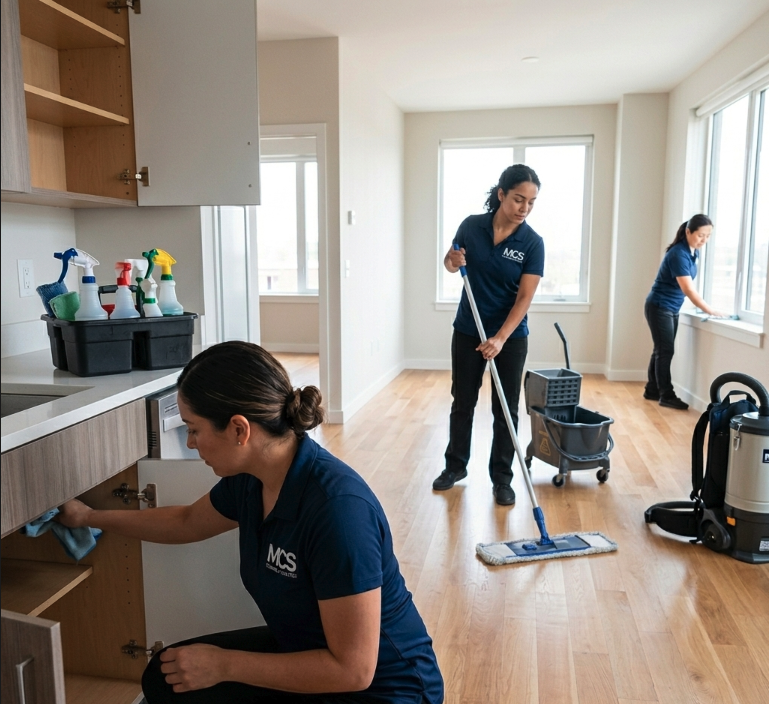
Moving Out This Summer? Your End of Tenancy Cleaning Survival Guide
Summer is peak moving season across North West London. Tenancy agreements that started in September cluster their renewals and endings around June, July, and August. Letting agents in Harrow, Watfo...
How Much Does End of Tenancy Cleaning Cost in North West London? (2026 Guide)
Cleaning disputes are the number one reason tenants lose part of their deposit in the UK. According to the Tenancy Deposit Scheme, over half of all deposit deductions involve cleaning — and the averag
Can Your Landlord Keep Your Deposit for Cleaning? Your Rights as a Tenant in 2026
You kept the place tidy, you ran the hoover round before moving out, and you wiped down the kitchen. Then you get a message from the landlord saying they're deducting £350 from your deposit for "profe