Key Takeaways
- Getting this distinction right saves money and ensures your premises are maintained to the right standard.
- It maintains a baseline standard of hygiene and tidiness.
- Deep cleaning resets standards, is performed periodically, takes a half day to a full day, costs more per visit but is infrequent, and covers every surface including hidden and hard-to-reach areas.
- Equally, a deep clean after a large event restores the space to its normal standard.
Two of the most commonly requested commercial cleaning services are regular cleaning and deep cleaning. Despite how often these terms are used, there's genuine confusion about what each involves and w
Two of the most commonly requested commercial cleaning services are regular cleaning and deep cleaning. Despite how often these terms are used, there's genuine confusion about what each involves and when you need one versus the other. Getting this distinction right saves money and ensures your premises are maintained to the right standard.
What is regular cleaning and what does it cover?
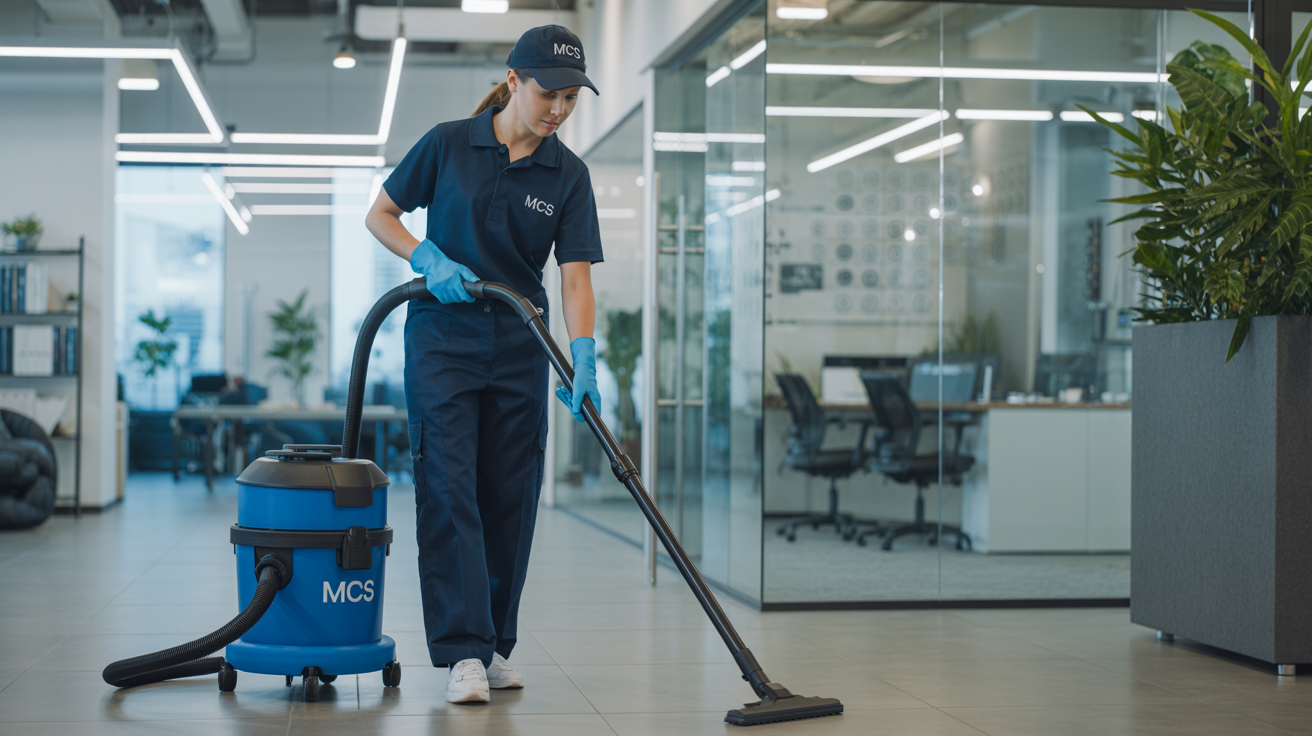
Regular cleaning is the routine maintenance cleaning performed on a daily, twice-weekly, or weekly schedule. It's designed to keep a workspace in a consistently clean and hygienic condition for everyday use.
A typical regular clean includes emptying all waste bins and replacing liners, wiping desks, worktops, and shared surfaces, vacuuming carpeted areas and mopping hard floors, cleaning and disinfecting toilets and washrooms, wiping kitchen worktops and appliances, sanitising high-touch points like door handles, light switches, and handrails, and restocking consumables in toilets and kitchens.
Regular cleaning focuses on visible surfaces and areas that get dirty through daily use. It maintains a baseline standard of hygiene and tidiness. Think of it as the equivalent of keeping your house tidy throughout the week - you're staying on top of things, not transforming them.
What is deep cleaning and when do you need it?
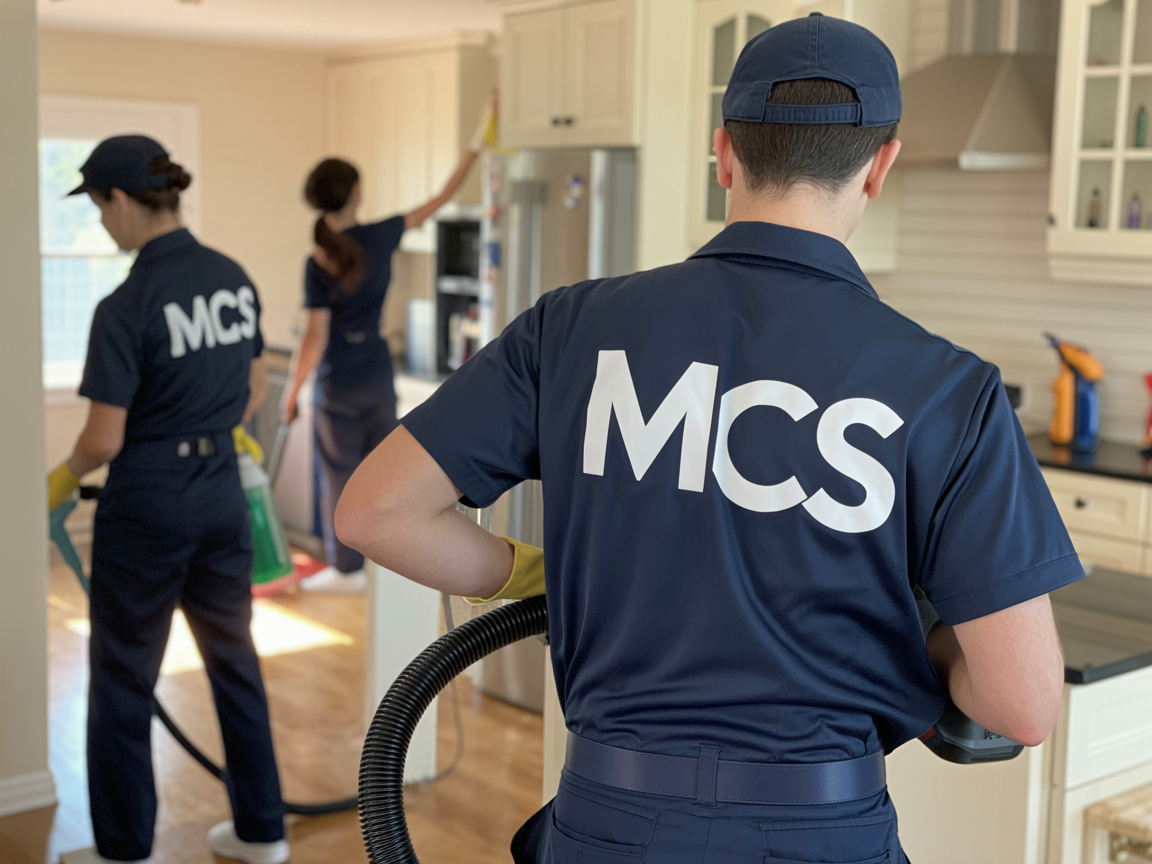
Deep cleaning is an intensive, thorough clean that goes far beyond the scope of regular maintenance. It targets the areas that regular cleaning doesn't reach - behind and under furniture, inside air vents, high-level surfaces, grout lines, behind appliances, and other hard-to-access places where grime, dust, and bacteria accumulate over time.
A deep clean typically includes everything in a regular clean plus cleaning behind and under all furniture and equipment, removing and cleaning air vent covers, dusting high surfaces including ceiling panels, pipes, and light fittings, deep cleaning all flooring including carpet extraction or hard floor stripping, scrubbing grout lines and descaling all fixtures, cleaning inside cupboards, drawers, and shelving units, degreasing kitchen equipment and extractors thoroughly, washing walls and skirting boards, cleaning window frames, tracks, and internal glass, and sanitising upholstery, curtains, and fabric surfaces.
Deep cleaning resets the baseline. It addresses months or years of accumulated grime that regular cleaning maintains but doesn't remove. After a deep clean, your premises should look and feel noticeably different - cleaner, fresher, and closer to their original condition.
How do deep cleaning and regular cleaning compare side by side?
Regular cleaning maintains standards, is performed frequently, takes 1-3 hours per visit, costs less per visit but is ongoing, and focuses on visible surfaces and daily use areas.
Deep cleaning resets standards, is performed periodically, takes a half day to a full day, costs more per visit but is infrequent, and covers every surface including hidden and hard-to-reach areas.
When does your business need a deep clean?
There are several situations where a deep clean is the right choice.
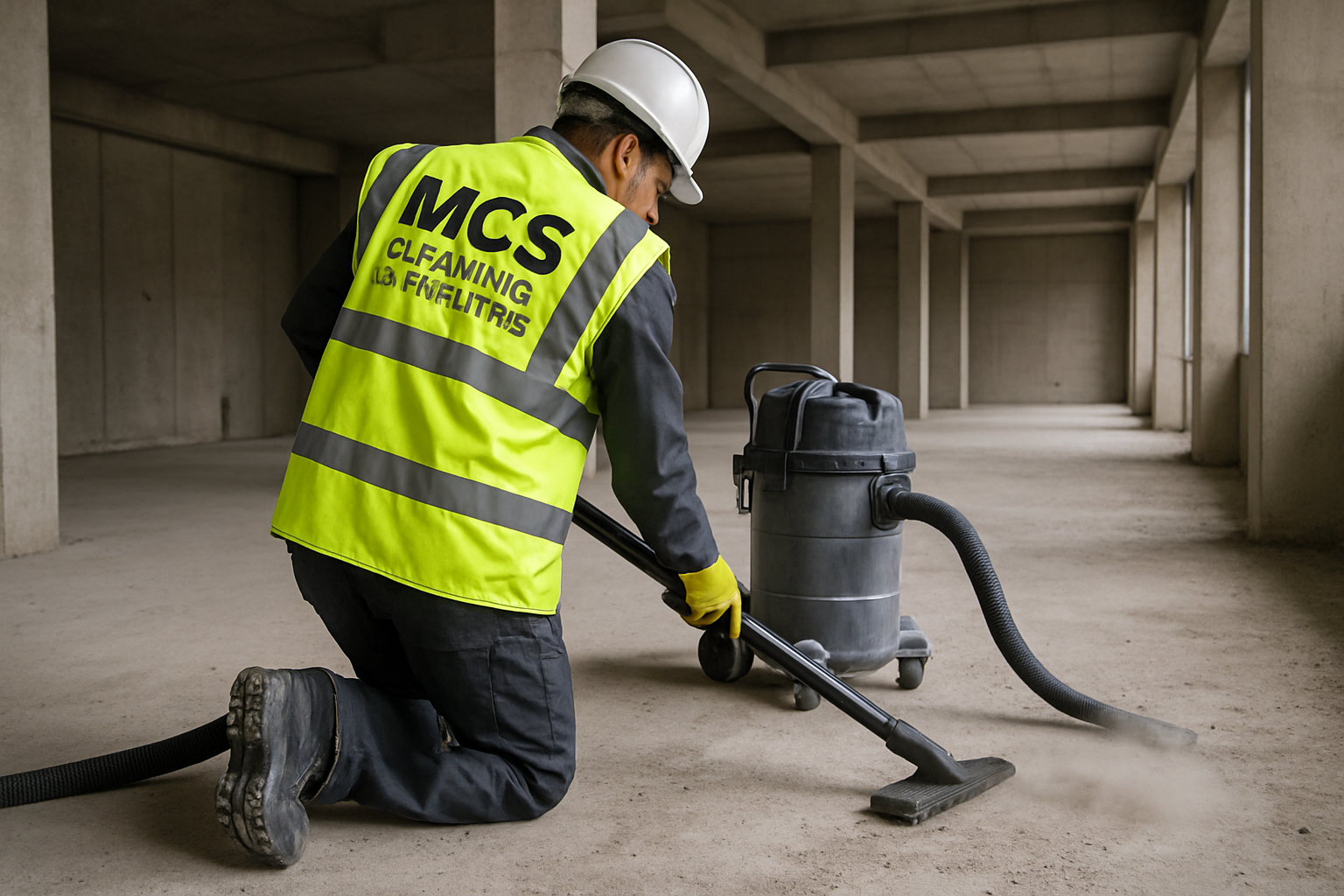
After building or renovation work. Construction dust is fine, abrasive, and gets into everything - inside cupboards, behind light switches, inside air vents, and on every surface. Regular cleaning can't address this. A post-construction deep clean, often called an after builders clean, is specifically designed to remove construction dust and debris.
Seasonal spring clean. Many businesses schedule an annual or biannual deep clean to maintain the fabric of the workspace. Over the course of a year, even with regular cleaning, areas like carpet fibres, air vents, behind furniture, and high surfaces accumulate grime that needs periodic attention.
Before or after events. If your premises are being used for a corporate event, open day, or client visit, a deep clean beforehand ensures everything looks its best. Equally, a deep clean after a large event restores the space to its normal standard.
When taking on new office space. Before moving your team into new premises, a deep clean ensures the space meets your standards rather than inheriting the previous occupant's cleaning habits.
After extended closure. Offices that have been shut for a holiday period, renovation, or any extended downtime accumulate dust and may develop musty odours. A deep clean before reopening is essential.
CQC inspection preparation. For medical facilities, a deep clean before a CQC inspection ensures every area - including the ones that regular cleaning doesn't always reach - meets the required standard.
How often should you deep clean your premises?
The frequency depends on the type of premises and how intensively the space is used.
Offices: Quarterly deep cleans work well for most offices, supplemented by regular daily or weekly cleaning. High-traffic reception areas and meeting rooms may benefit from monthly attention.
Medical facilities: Monthly deep cleans are recommended for GP surgeries, dental practices, and other healthcare premises. CQC expects a demonstrably higher standard that requires more frequent intensive cleaning.
Restaurants and kitchens: Monthly deep cleans of kitchen equipment, extraction systems, and food preparation areas are essential for food hygiene compliance.
Retail premises: Quarterly deep cleans maintain the appearance of flooring, fixtures, and display areas that regular cleaning maintains but doesn't fully restore.
How do regular and deep cleaning work together?
Regular cleaning and deep cleaning are complementary, not interchangeable. Regular cleaning maintains the standard set by the most recent deep clean. As time passes, the standard gradually declines as areas beyond the scope of regular cleaning accumulate grime. A periodic deep clean resets the baseline back to a high standard. Then regular cleaning maintains it again until the next deep clean.
Think of it as the same approach you'd take with a car. Regular washing keeps it looking presentable. But periodically you need a full valet to address the areas that regular washing can't reach - the engine bay, the wheel arches, the interior crevices. Both are necessary.
Does MCS Cleaning provide both regular and deep cleaning?
We offer both regular office cleaning and deep cleaning services across North West London. For medical facilities, our cleaning protocols are CQC compliant and designed to meet healthcare-specific standards.
Whether you need ongoing regular cleaning, a one-off deep clean, or a combined programme, we can tailor a schedule to your premises and budget.
Get a free quote or call 020 7993 8722.
Frequently Asked Questions
Regular cleaning covers daily surface-level tasks such as vacuuming, mopping, dusting, and bin emptying. Deep cleaning is a thorough, intensive service that tackles built-up grime, sanitises hard-to-reach areas, and includes tasks like carpet extraction, grout scrubbing, and high-level dusting.
Need help with deep cleaning?
Get a free, no-obligation quote from MCS Cleaning. Serving Harrow, Watford, Pinner & North West London.
Written by MCS Cleaning & Facilities
Professional commercial cleaning services in Harrow, Watford & North West London. CQC compliant, fully insured, 60+ five-star Google reviews.
Related Articles
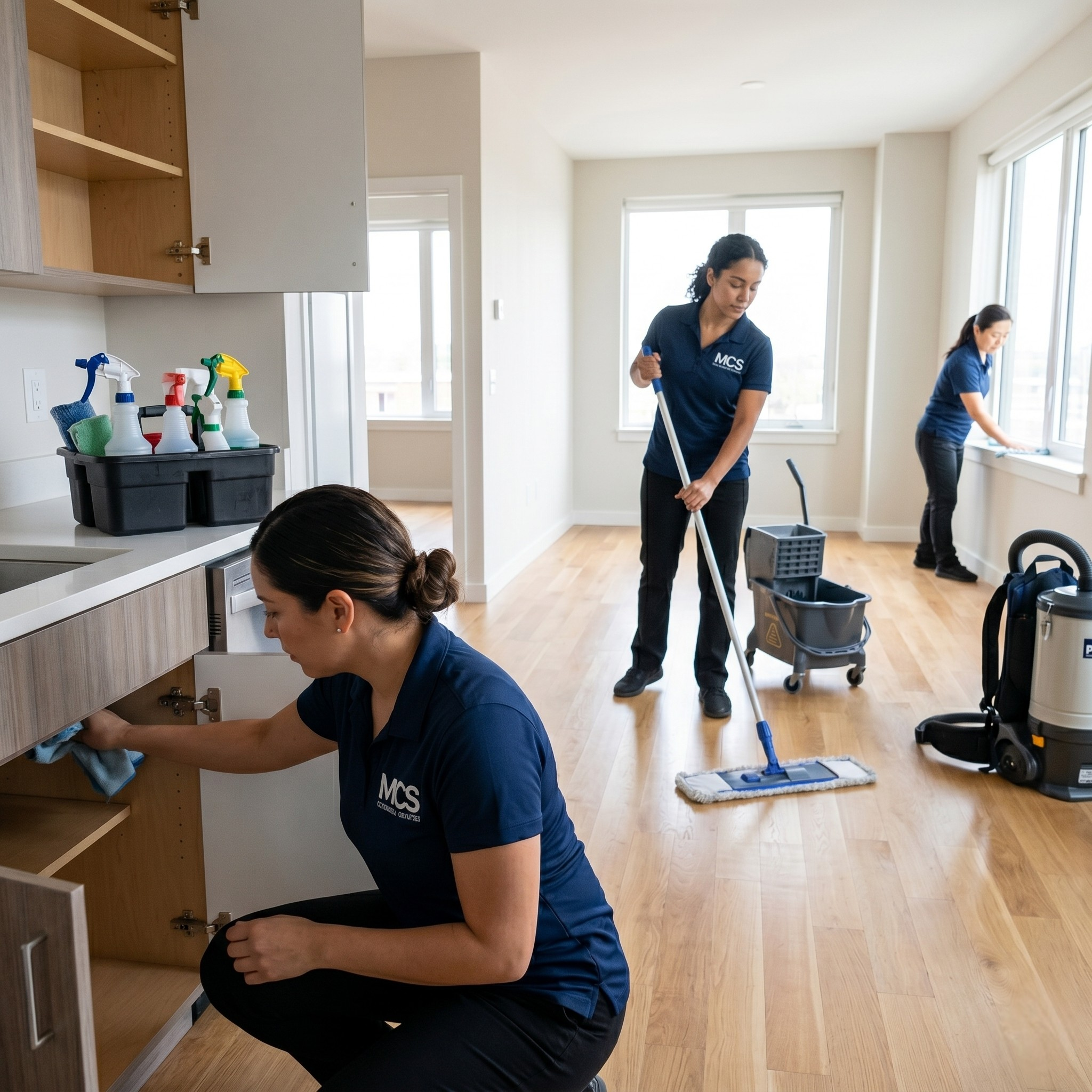
Move-In Cleaning: Why You Should Deep Clean Before Moving Into Your New Home
Why you should deep clean before moving into your new home. What's included, costs in North West London, and when to book. Guide for renters and buyers.
After Builders Cleaning in North West London: What You Need to Know
You've survived weeks of building work. The extension is built, the kitchen is fitted, the bathroom is tiled. The builders have packed up their tools and left. You'd think the hard part is over. Then