Key Takeaways
- Standard vacuum cleaners recirculate fine dust through their exhaust, making the problem worse.
- Window cleaning is essential after building work.
- What are the three stages of after builders cleaning? Professional after builders cleaning typically happens in three stages.
- This stage brings the property up to a liveable standard.
You've survived weeks of building work. The extension is built, the kitchen is fitted, the bathroom is tiled. The builders have packed up their tools and left. You'd think the hard part is over. Then
You've survived weeks of building work. The extension is built, the kitchen is fitted, the bathroom is tiled. The builders have packed up their tools and left. You'd think the hard part is over. Then you look around and realise the entire property is covered in a fine layer of construction dust, there are paint splashes on the windowsills, plaster dust inside every cupboard, and sawdust in places you didn't know existed.
After builders cleaning is a specialist service that goes far beyond what a regular clean can achieve. Here's what's involved, why it matters, and why DIY usually falls short.
What does after builders cleaning involve?
Construction work generates specific types of mess that require specific cleaning approaches. A proper after builders clean addresses all of these.
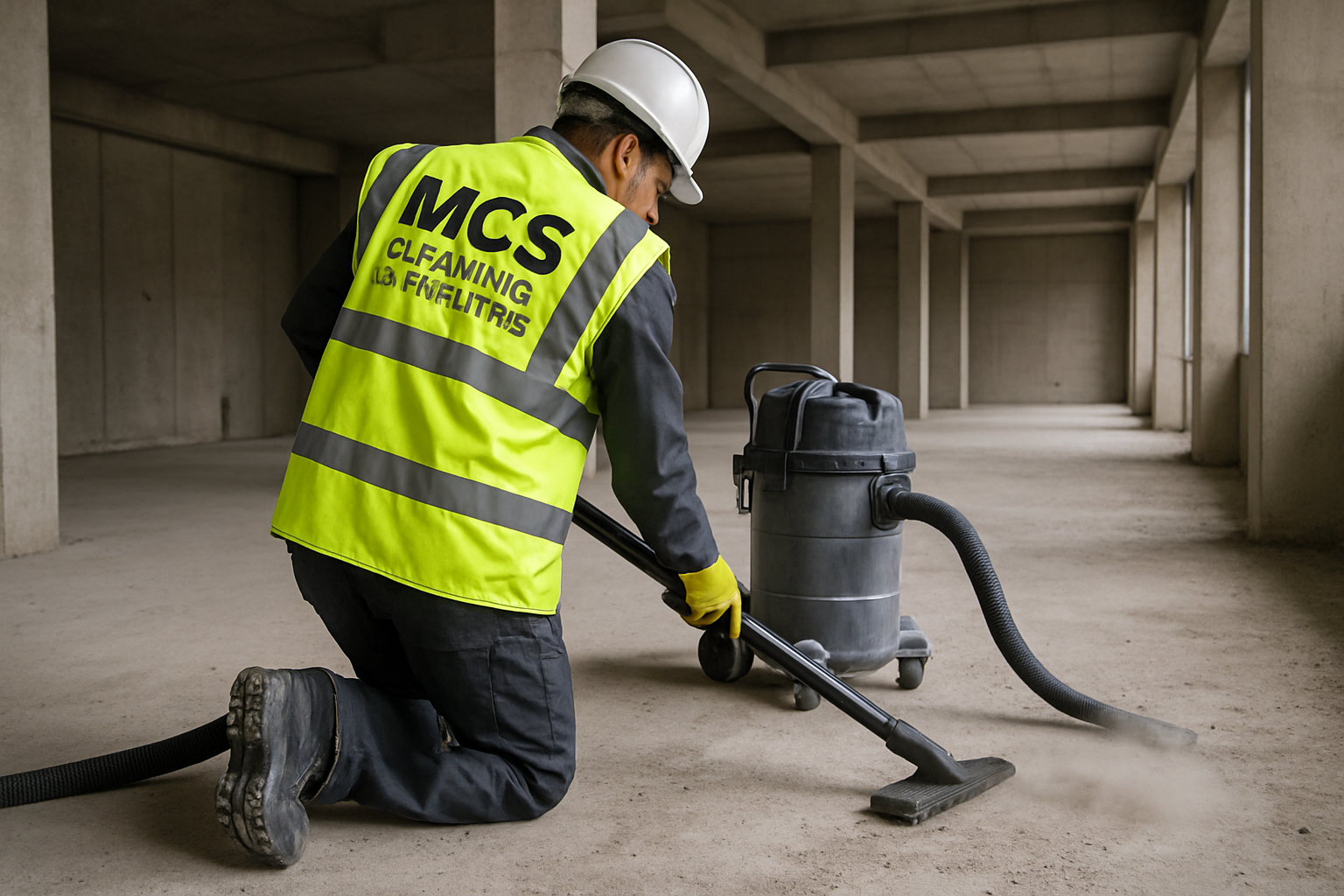
Construction dust removal is the primary task. Building dust - whether from plaster, brick, concrete, or wood - is extremely fine and pervasive. It settles on every surface, seeps into every gap, and infiltrates areas you'd never expect: inside closed cupboards, behind light switch plates, inside air vents, on top of door frames, and inside electrical sockets.
Standard vacuum cleaners recirculate fine dust through their exhaust, making the problem worse. Professional after builders cleaning uses HEPA-filtered vacuums that capture particles down to 0.3 microns, effectively removing construction dust rather than just moving it around.
Paint splash removal from windowsills, door frames, flooring, and other surfaces requires careful treatment. Fresh paint can be wiped off, but dried paint needs scraping or specialist solvents - applied carefully to avoid damaging the surface underneath.
Adhesive residue from protective coverings, tape, and labels needs removing from windows, appliances, and surfaces. This is tedious work that requires patience and the right solvents for each surface type.
Window cleaning is essential after building work. Both internal and external glass will be covered in dust, mortar splashes, and potentially paint spots. Window frames and tracks also need thorough cleaning.
Floor restoration depends on the flooring type. Hard floors need thorough washing, potentially multiple times to remove embedded dust. New flooring may need its first proper clean. Carpeted areas need deep vacuuming with HEPA filtration and potentially steam cleaning to extract dust from the fibres.
What are the three stages of after builders cleaning?
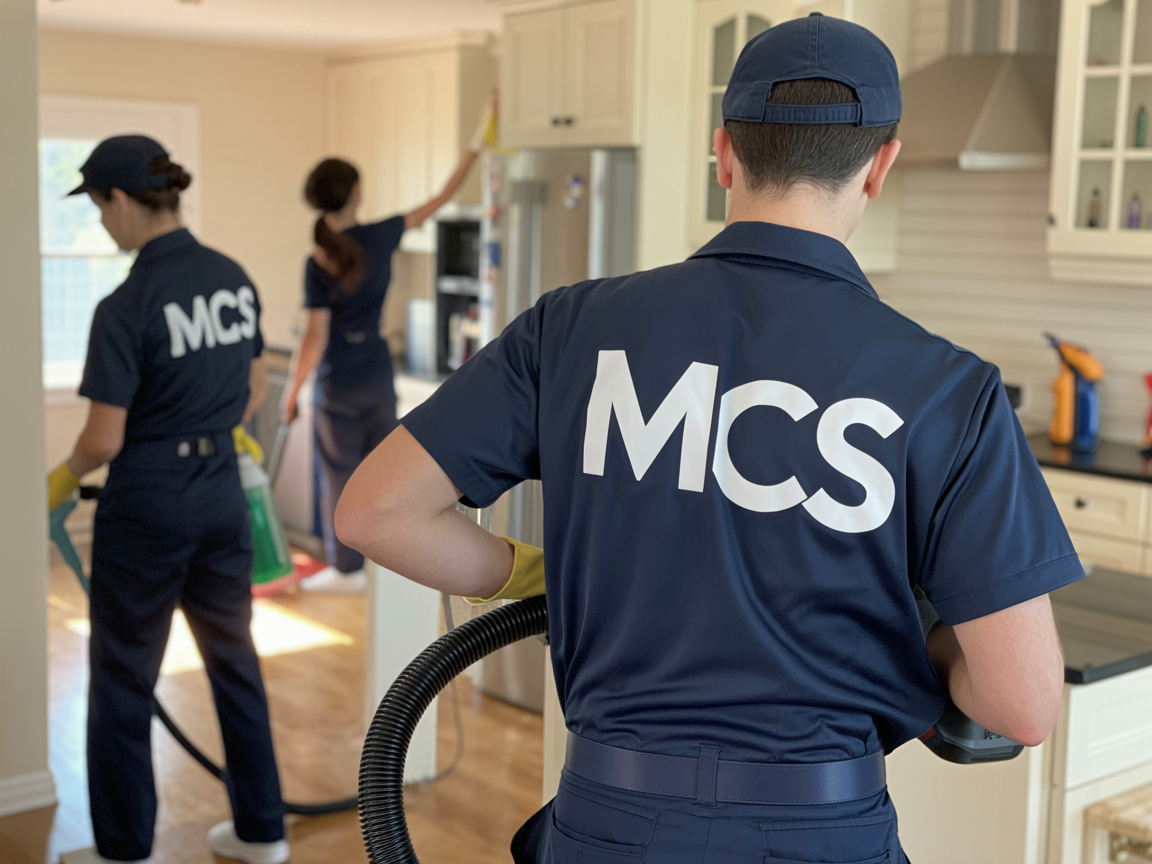
Professional after builders cleaning typically happens in three stages.
Stage 1: Rough clean. This is the heavy-duty initial pass. All visible debris, offcuts, packaging, and large waste are removed. Heavy dust is vacuumed from all surfaces. Any remaining building materials are cleared. This stage transforms the space from a building site into something that looks like a home again, even if it's still dusty.
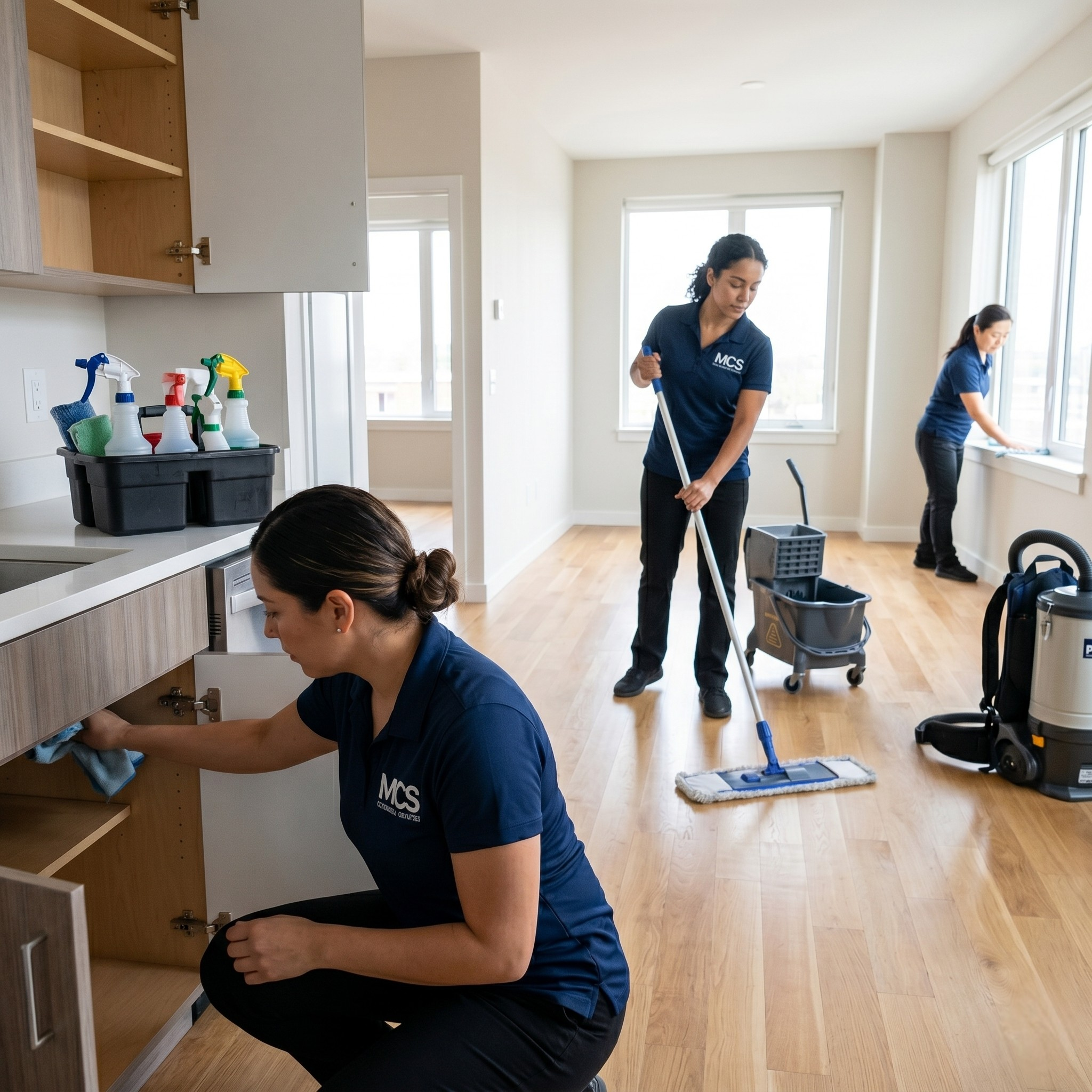
Stage 2: Sparkle clean. This is the detailed surface cleaning. Every surface is wiped, polished, or washed. Paint splashes are removed. Windows are cleaned. Appliances are cleaned inside and out. Fixtures and fittings are polished. Floors are washed. This stage brings the property up to a liveable standard.
Stage 3: Snag clean. A final pass to catch anything missed in the first two stages. This might involve touch-up cleaning after the client has had a chance to inspect, or addressing areas that were inaccessible during the main clean. Some companies combine this with the snagging process, cleaning areas as the builder addresses snags.
Why is specialist equipment needed?
Construction dust is fundamentally different from household dust. It's finer, more abrasive, and more pervasive. Standard household vacuum cleaners don't have fine enough filtration to capture it - they pick it up from the floor and blow it out through the exhaust, spreading it further.
HEPA filtration is essential. HEPA (High Efficiency Particulate Air) filters capture 99.97% of particles down to 0.3 microns, including the fine plaster and concrete dust that causes the most problems. Professional cleaning companies use industrial HEPA-filtered vacuums that are designed for post-construction environments.
Microfibre cloths are also important. Standard cotton cloths push fine dust around rather than capturing it. Microfibre cloths trap dust particles in their fibres, removing them from surfaces rather than redistributing them.
What are the common mistakes when cleaning after building work?
Cleaning too soon is a frequent error. Plaster, paint, and grout all need time to fully cure. Cleaning surfaces before they're dry can damage fresh finishes or pull paint off walls. Wait until your builder confirms all finishes are fully cured before the main clean - usually 24-48 hours after the final coat.
Using the wrong products on new surfaces can cause damage. New stone worktops, freshly tiled surfaces, and painted walls each have specific care requirements. Acidic cleaners can etch stone. Abrasive products can scratch new tiles. Harsh chemicals can damage fresh paintwork.
Underestimating the extent of the dust is universal. Even if the builders were careful with dust sheets and extraction, construction dust will have reached areas far beyond the immediate work zone. Bedrooms two rooms away from the building work will have dust on every surface. Closed cupboards in the kitchen will have dust inside them.
Not cleaning air vents means that every time the heating or ventilation system runs, it blows stored construction dust back into the room. Vent covers should be removed and cleaned, and the visible interior of ductwork should be vacuumed.
How much does after builders cleaning cost and how long does it take?
After builders cleaning costs depend heavily on the scale of the building work and the size of the property. A single-room renovation (kitchen or bathroom refit) in a standard property typically costs £200-£400 for a full three-stage clean. A whole-house renovation or extension project can cost £500-£1,000 or more depending on the size and condition.
Timeframes vary similarly. A bathroom refit clean might take a day. A full house renovation clean could take 2-3 days with a team.
North West London has a lot of renovation and extension work happening at any given time, particularly in areas like Harrow, Watford, and Barnet where older properties are being updated. We regularly clean after loft conversions, kitchen extensions, bathroom refits, and full house renovations.
Our post-construction cleaning service covers all types of building work, from small bathroom refits to major renovation projects. We also offer deep cleaning for properties that need a thorough refresh without the specific challenges of construction dust.
Get a free quote or call 020 7993 8722.
Frequently Asked Questions
Ideally within a few days. Construction dust settles into surfaces over time and becomes harder to remove. The sooner cleaning begins after the builders finish, the easier and more effective the process will be.
Need help with deep cleaning?
Get a free, no-obligation quote from MCS Cleaning. Serving Harrow, Watford, Pinner & North West London.
Written by MCS Cleaning & Facilities
Professional commercial cleaning services in Harrow, Watford & North West London. CQC compliant, fully insured, 60+ five-star Google reviews.
Related Articles
Move-In Cleaning: Why You Should Deep Clean Before Moving Into Your New Home
Why you should deep clean before moving into your new home. What's included, costs in North West London, and when to book. Guide for renters and buyers.
Deep Cleaning vs Regular Cleaning: What's the Difference and When Do You Need Each?
Two of the most commonly requested commercial cleaning services are regular cleaning and deep cleaning. Despite how often these terms are used, there's genuine confusion about what each involves and w